Fabric Protection in Boston | Upholstery & Carpet Protection Experts
After more than 55 years in the professional carpet and upholstery cleaning business, I've learned that fabric protection isn't simply a matter of spraying a product on a sofa and hoping for the best. Different fabrics can react very differently to cleaning and protective treatments, which is why I believe the fabric should be evaluated before deciding what type of protection, if any, is appropriate.
What Does Fabric Protection Do?
Fabric protection is designed to help protect carpet and upholstery fibers from spills and staining by making it more difficult for liquids and soils to penetrate the fabric.
This can be especially valuable with upholstered furniture.
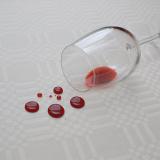
Imagine someone accidentally spills a glass of red wine on a protected sofa. Instead of immediately soaking into the fabric, the liquid may bead up on the surface, giving the homeowner valuable time to blot it before it penetrates deeply into the upholstery.
That extra time can make a significant difference.
Fabric protection does not make upholstery or carpet stain-proof. It is better thought of as a first line of defense that can make spills easier to deal with and help reduce the likelihood of permanent staining.
Why I Look at Upholstery Differently Than Carpet
Over the years, I've found that the value of fabric protection can be easier for a homeowner to see on upholstery than on carpet.
When carpet becomes soiled, the soiling usually happens gradually. Dirt is tracked in, settles into the carpet and accumulates over weeks or months. It can be difficult to know exactly how much difference a protective treatment made.
Upholstery can be different.
A single spill can happen in seconds.
When a drink spills on a protected sofa and the liquid beads on the fabric instead of immediately soaking in, the homeowner can see the benefit of protection right away.
For that reason, I have often considered fabric protection particularly worthwhile for upholstered furniture that is used regularly.
More Than 55 Years of Experience With Fabric Protection
I first encountered fabric protection products in the 1960s, when products such as Scotchgard were commonly used as protective finishes on carpet and upholstery.
Over the decades, I have watched protective treatments change considerably. Different types of chemistry have been introduced, and manufacturers have continually looked for ways to improve water and oil repellency while reducing unwanted side effects.
I've personally worked with many different protective treatments during my career.
And one thing I've learned is that the strongest water repellency doesn't necessarily mean the best protection for every fabric.
Some older formulations, particularly certain silicone-based products, could provide excellent resistance to liquid penetration. But there could also be disadvantages, including increased attraction of dry soil and, with some products and fabrics, discoloration or yellowing.
That experience taught me an important lesson:
Fabric protection is not one-size-fits-all.
Why We Evaluate the Fabric Before Applying Protection
There are many different types of upholstery fabrics, fibers, dyes and fabric constructions.
A treatment that is appropriate for one fabric may not be appropriate for another.
That's why I don't believe in simply applying the same protective treatment to every sofa, chair or carpet.
The condition and characteristics of the fabric should be considered first.
I have encountered fabrics during my career where even cleaning with water could cause dye bleeding or other problems. In situations like that, applying a protective treatment without first understanding how the fabric will react could create a bigger problem rather than solve one.
A Real Example From My Experience
Several years ago, I worked with an expensive sofa upholstered in a dark, multicolored fabric. The owner had a small spot on the sofa and lightly blotted it with a damp cloth. Unfortunately, the moisture caused the colors in the fabric to bleed.
I tested the fabric and determined that applying a conventional water-based treatment could create a serious problem.
The customer loved the fabric and wanted to keep it.
Rather than simply applying a protector to the entire sofa, I considered whether a different type of protection might help reduce the possibility of future liquids penetrating the fabric. Because I had previous experience with certain protective treatments, I knew there were potential advantages as well as potential disadvantages.
Most importantly, I would test the treatment on a sample before considering its use on the furniture.
That experience reinforced something I have learned repeatedly throughout my career:
Before protecting a fabric, you need to understand the fabric.
Today's Fabric Protection
Protective treatments have continued to evolve.
Today, we use PFAS-free fabric protection technology for the protection services we provide. Our goal isn't simply to make a fabric repel as much liquid as possible. We want to provide useful protection while taking into consideration the characteristics and intended use of the fabric.
You can learn more about why we made the change to PFAS-free technology in our article:
The Evolution of Fabric Protection: Why We Switched to PFAS-Free Technology
We also explain more about PFAS-free protection and what it means for Greater Boston homeowners in our article:
PFAS-Free Fabric Protection: Superior Safety and Quality for Greater Boston Homes
When Is Fabric Protection Worth Considering?
Fabric protection can be particularly worthwhile when:
- You have expensive or difficult-to-replace upholstered furniture.
- The furniture is used frequently.
- Children or pets regularly use the furniture.
- You entertain frequently.
- You are concerned about accidental food and beverage spills.
- You have recently had upholstery professionally cleaned.
- You want to help protect furniture before putting it back into regular use.
- You have a fabric that requires special consideration because of its fiber, dyes or construction.
It can also be worth considering for certain carpets and area rugs, although I don't automatically recommend protection for every carpet or rug.
The right decision depends on the particular material and how it is used.
Fabric Protection After Upholstery Cleaning
Professional upholstery cleaning removes accumulated soil and staining, but once the furniture is clean, many customers want to know what they can do to help protect it going forward.
Applying an appropriate protective treatment after cleaning can provide an additional layer of protection against future spills and soiling.
This is one reason I often discuss fabric protection with customers who are having their upholstery professionally cleaned.
The important word is appropriate.
I don't believe every piece of upholstery should automatically receive a protective treatment simply because it has been cleaned.
Professional Fabric Protection in Boston and Greater Boston
A protective treatment is only one part of protecting your furniture.
Choosing the appropriate treatment, preparing the fabric properly and applying the product correctly are all important.
At Alec's Carpet & Upholstery Cleaning, I have been working with carpets, upholstery and fabric protection since 1970.
With more than 55 years of experience, I've had the opportunity to see what works, what doesn't, and why the characteristics of the individual fabric matter.
If you're considering fabric protection for a sofa, chair, sectional, carpet or other textile, I would be happy to discuss whether protection makes sense for your particular situation.
Alec's Carpet & Upholstery Cleaning LLC
Serving Boston and Greater Boston, the South Shore and Cape Cod.
Call 781-871-1415 to discuss your upholstery or fabric-protection needs.
Learn More About Fabric Protection
If you'd like to learn more before deciding whether fabric protection is right for your furniture, these articles may help:
- Ask Alec: Is Carpet & Upholstery Protector Really Worth It?
- The Science of Comfort: Why Your Most Expensive Sofa Is a Stain Magnet and How to Fix It
- The Evolution of Fabric Protection: Why We Switched to PFAS-Free Technology
- PFAS-Free Fabric Protection: Superior Safety and Quality for Greater Boston Homes
- What Is the Best Fabric Protection Treatment?
Contact the Fabric Protection Experts
Don’t leave your investment unprotected. For the most trusted fabric protection services in Boston, Wellesley, Weston, and Cape Cod, call the experts at Alec’s Carpet & Upholstery Cleaning.
📞 Call us today at 781-871-1415
📧 Email: Alec@Alecscarpetandupholsterycleaning.com
🌐 Learn more: Fabric Protection Services



 Alec Houle


 Carpet Cleaning (16)
 Spot Cleaning (16)
 About Rugs (7)
 Upholstery Cleaning (7)
 About Carpets (6)
 Fabric Protection (5)
 Discussions on Carpet & Upholstery (4)
 Fabrics (3)
 Ask Alec (3)
 Leather Upholstery (2)
 Stains on Carpets (2)